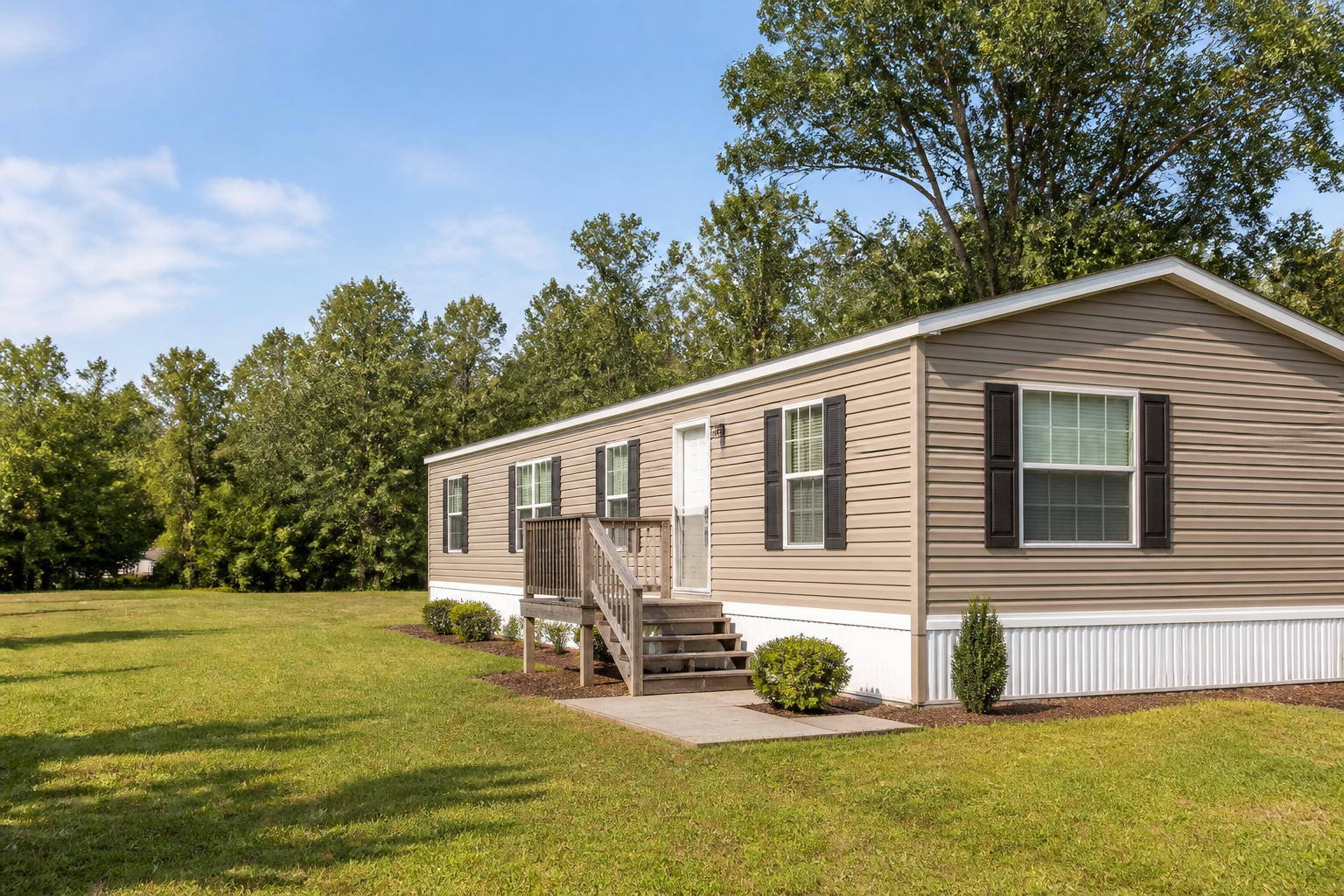
Releveling
Releveling a Home That Has Moved Over Time
Mobile home releveling is most often requested when a home that used to feel normal begins showing signs of movement. The home may have been installed level years ago, but settlement, moisture, support movement, erosion, or previous repair work can change the way it sits. Releveling is different from initial setup because the evaluation starts with an existing home, existing supports, and real-world site conditions.
The question is not only whether the home can be brought closer to level. The question is also why it changed. A previously stable home can move when soil under a pier compresses, blocks shift out of alignment, shims loosen, drainage changes, or wood support components deteriorate. A good releveling scope considers those causes before adjustment.
Causes
Common Reasons a Previously Level Home Changes
Settlement is common around manufactured homes, especially where support points carry concentrated loads. Moisture changes can make some areas softer or less consistent. Erosion can remove soil from around support points. A plumbing leak, gutter issue, grading change, or long period of poor drainage can also change the under-home environment.
Age matters too. Even when a home has not moved dramatically, small support changes can add up. Previous repairs may have corrected one symptom without addressing the support line as a whole. That can leave uneven load transfer from the frame to the ground.
- Soil settlement under supports
- Moisture changes and poor drainage
- Shifted piers, blocks, caps, or shims
- Deteriorated support materials
- Previous improper repairs or incomplete setup
- Changes around the lot or skirting
Scope
Releveling Is Not the Same as Hiding Symptoms
A door adjustment may make one door close again, and new trim may cover a gap, but neither tells you whether the home is supported properly. Releveling should focus on the home and support system, not just the visible interior symptom. If the underlying problem is a leaning pier, deteriorated block, poor footing contact, or drainage-related settlement, symptom-only work may be temporary.
That is why the related pages on pier repair, block and support repair, and manufactured-home foundation repair are important companion resources.
Getting Started
How the Releveling Conversation Usually Starts
When requesting releveling service, be ready to describe what changed and when. Did symptoms show up gradually or suddenly? Did a storm, plumbing issue, skirting change, or yard work happen first? Is the home single-wide or double-wide? Are there visible moved blocks, leaning piers, gaps, or soft ground beneath the home?
Those details help determine the likely inspection needs, access concerns, and whether the estimate may involve leveling only or additional support repair. The process page explains what a homeowner can expect from first call through verification.
Related Services
Mobile Home Leveling
Evaluation and correction planning for manufactured homes with sloping floors, sticking doors, shifted supports, or settlement symptoms.
Foundation Repair
Manufactured-home foundation and support repair guidance focused on piers, blocks, frame support, soil bearing, and drainage.
Block & Support Repair
Information about concrete block supports, caps, shims, bearing points, alignment, and under-home support concerns.
Ready For The Next Step?
Request a Pine Bluff area estimate.
Talk through the symptoms, home type, ZIP code, and any visible support or drainage concerns.
Homeowner Questions
FAQ
Why would a previously level home become unlevel?
Settlement, moisture, erosion, support movement, deteriorated components, or previous repairs can change how the home sits over time.
Is releveling only adding shims?
No. Shims may be part of support, but the support condition, bearing surface, drainage, and cause of movement should be considered.
Can releveling be done on an older home?
Older homes can be evaluated, but age may affect support condition, access, and repair scope.